




Growing dense, resin-coated cannabis buds is the goal for most cultivators, so it can be frustrating when harvest day reveals airy cannabis buds instead of the compact flowers you expected. Whether grown indoors or outdoors, loose marijuana buds and fluffy buds can reduce yield, affect bag appeal, and leave you questioning what went wrong.
The good news is that airy buds are usually preventable. They often result from a combination of genetics, lighting, environmental conditions, plant training, nutrition, and harvest timing rather than a single mistake. Understanding how these factors influence flower development is key to improving future harvests.
In this guide, you'll learn what causes airy cannabis buds, how to distinguish natural structure from growing issues, and the most common reasons buds become loose during flowering. You'll also discover practical ways to prevent fluffy buds, what can be improved after harvest, and how to preserve quality moving forward.
Key Takeaways
- Airy cannabis buds are usually caused by multiple factors. Genetics, lighting, environmental conditions, nutrition, canopy management, and harvest timing all influence whether marijuana buds develop into dense flowers or remain loose.
- Choosing the right genetics and optimizing your flowering environment are the best ways to prevent loose marijuana buds. Stable conditions, proper light distribution, healthy roots, and an even canopy allow cannabis plants to reach their full bud density potential.
- Early diagnosis leads to better harvests. Learning to recognize the difference between naturally fluffy buds and buds affected by cultivation problems helps you identify issues before they reduce yield and flower quality.
- Airy buds cannot be made denser after harvest. However, careful trimming, slow drying, and proper curing preserve aroma, flavor, resin, and smoking quality while preventing further loss of quality.
- Every harvest is an opportunity to improve. Keeping grow records, comparing cultivars, and evaluating flowering conditions will help you identify what caused airy buds and consistently produce denser cannabis flowers in future grows.
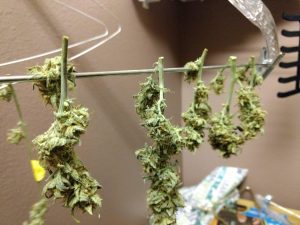
Why are my cannabis buds airy and loose?
Harvest day should reward months of hard work, so discovering airy buds or loose marijuana buds can be disappointing. Dense, resin-coated flowers are what most growers aim for, but finding fluffy buds doesn't automatically mean you've had a poor harvest. Throughout my years of growing cannabis, I've learned that bud density is influenced by two things: genetics and cultivation. Genetics determine how dense a plant can become, while your growing environment determines how close it gets to reaching that potential.
One mistake I often see beginner growers make is blaming a single issue. In reality, cannabis airy buds are usually caused by several small factors working together rather than one major mistake. That's why I always assess the entire grow, from the genetics I selected to the final week of flowering, before deciding what caused the problem.
Understanding the difference between naturally loose buds and flowers that became airy because of poor growing conditions is the first step to improving future harvests.
How to Identify Airy Buds and Loose Marijuana Buds
Airy buds have a loose flower structure with noticeable spaces between the calyxes, making them feel lighter and less compact than dense cannabis flowers. While they often have lower bag appeal, appearance alone doesn't determine quality.
When I inspect a harvest, I don't simply squeeze the buds and decide they're airy. I compare the flower structure against what the breeder describes for that cultivar. Some sativa-dominant strains naturally produce longer, spear-shaped flowers, while many indica varieties are bred to form dense, chunky colas.
| Dense Cannabis Buds | Airy or Loose Marijuana Buds |
| Compact, tightly stacked calyxes | Open flower structure with gaps between calyxes |
| Heavy for their size | Feel light for their size |
| Thick, chunky colas | Long or wispy flower formation |
| Strong bag appeal | Less visually dense |
I've grown Haze cultivars that looked much looser than Kush genetics growing beside them, yet their aroma, terpene production, and potency were outstanding. Likewise, I've seen cultivars like Durban Poison naturally produce longer, airier flowers than compact Afghan or Critical genetics, even when grown in the same room under identical conditions. That's why I never judge cannabis quality by density alone. I always compare the finished flower against what that cultivar is genetically expected to produce before deciding whether there's actually a cultivation problem.
Are Fluffy Buds Always a Sign of a Problem?
The simple answer is no.
Many growers associate fluffy buds with poor-quality cannabis, but that's an oversimplification. Some genetics evolved in warm, humid climates where a looser flower structure improves airflow and reduces the chance of mould developing deep inside the buds.
When evaluating a harvest, I focus on much more than density. A slightly loose bud covered in mature trichomes will often outperform an overly dense flower that was stressed throughout flowering.
Instead of looking at density alone, I assess several indicators together.
| Signs of a Healthy Harvest | Signs of Flowering Problems |
| Heavy trichome coverage | Sparse resin production |
| Swollen calyxes | Small, underdeveloped calyxes |
| Strong aroma and terpene profile | Weak aroma |
| Even flower development | Uneven bud formation |
| Healthy leaf fade before harvest | Stress symptoms throughout bloom |
One pattern I've noticed over countless grows is that the location of the airy buds often tells you where the problem started. If only the lower branches produce loose buds while the upper colas remain dense, the cause is usually poor light penetration or an overcrowded canopy. If every flower on the plant develops a loose structure, I begin looking at genetics, environmental conditions, or prolonged stress during flowering.
Learning to recognize these patterns makes diagnosing future grows much easier.
Genetics vs. Growing Conditions: What Causes Airy Bud Structure?
One of the biggest misconceptions among new growers is believing that airy buds always mean they've made a mistake. In my experience, genetics establish the plant's potential, while the growing environment determines whether that potential is achieved.
I've grown multiple phenotypes from the same pack of seeds where one plant produced dense, golf ball-sized buds while another developed longer, spear-shaped flowers. Both plants received identical lighting, nutrients, irrigation, and environmental conditions. The difference wasn't my cultivation, it was simply phenotype variation.
Once genetics establish the foundation, environmental factors become the deciding influence. Even premium cannabis genetics can produce airy loose buds if flowering conditions aren't properly managed. Check out the anatomy of a cannabis bud for more information
The most common causes I investigate include:
| Genetic Factors | Environmental Factors |
| Sativa flower structure | Low light intensity |
| Phenotype variation | High temperatures |
| Naturally long internodes | Excess humidity |
| Breeding characteristics | Nutrient imbalance |
| Cultivar-specific bud shape | Poor airflow and overcrowding |
| Harvesting too early |
From my own experience, airy buds rarely develop because of one isolated issue. More often, they're the result of several smaller problems combining throughout bloom. Slightly weak lighting, elevated temperatures, and inconsistent feeding may seem minor on their own, but together they can significantly reduce bud density by harvest.
The encouraging part is that most cultivation-related causes can be corrected. Once you identify why your cannabis airy buds developed, you can make targeted improvements during your next grow and consistently produce denser, healthier flowers.
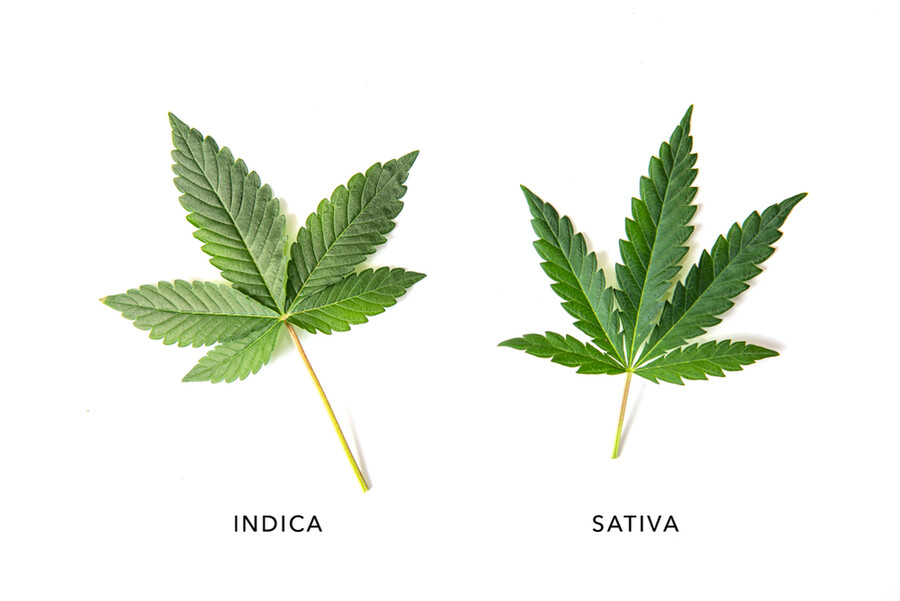
The most common causes of airy and loose Marijuana Buds
Once genetics are ruled out, the next step is identifying what limited flower development. Airy buds don’t form suddenly; they develop gradually as the plant responds to its environment. During flowering, cannabis relies on a chain of processes: light drives photosynthesis, roots absorb water and nutrients, and that energy is used to build dense flowers. When any part of this system is disrupted, buds may form but won’t fully swell or stack tightly.
When diagnosing loose marijuana buds, the key question isn’t what’s wrong with the buds; it’s what prevented the plant from building dense flowers in the first place.
Poor Lighting and Insufficient PPFD During Flowering
Light fuels flower production. Cannabis converts light into carbohydrates, which are used to build calyxes and resin. If light intensity is too low, the plant produces less energy, limiting flower growth.
Many growers underestimate how much light is needed during bloom. PPFD (Photosynthetic Photon Flux Density) measures usable light at canopy level. If you're unfamiliar with measuring PPFD for cannabis, understanding it makes positioning your grow lights much easier. When PPFD is insufficient, photosynthesis slows…
This often shows up in lower branches first. Even if top colas look healthy, shaded areas receive less light and produce airy buds.
| Light Issue | Why It Creates Airy Buds |
| Low PPFD | Reduced photosynthesis limits flower growth |
| Light too far | Less usable light reaches buds |
| Dense canopy | Lower branches become shaded |
| Uneven distribution | Top buds develop, lower buds remain loose |
High Temperatures, Humidity and Environmental Stress
Environmental stress forces the plant to prioritize survival over flower production. High temperatures cause excessive water loss and are one of the most common forms of heat stress in cannabis plants, forcing the plant to prioritize survival over flower production. This reduces carbon dioxide intake, slowing photosynthesis and limiting energy for bud development.
High humidity affects transpiration, the process that moves water and nutrients through the plant. Maintaining the correct grow room humidity throughout flowering helps keep nutrient movement consistent.
The result is slower calyx expansion and looser bud structure.
| Environmental Stress | Plant Response | Effect on Flowers |
| High temperatures | Stomata close | Reduced calyx swelling |
| High humidity | Slower transpiration | Reduced nutrient movement |
| Poor VPD | Inefficient water uptake | Slower flower growth |
Nutrient Deficiencies, Overwatering and Root Health
Healthy roots are essential for dense buds. Roots absorb water and nutrients, but they also require oxygen. Overwatering reduces oxygen levels in the growing medium, slowing root function and limiting nutrient uptake.
This often leads growers to add more nutrients, but if roots can’t absorb them, the problem persists.
During flowering, phosphorus supports cell division in buds, while potassium regulates water movement and sugar transport. A potassium deficiency in cannabis can prevent flowers from reaching their full size.
Checking root health is often more effective than adjusting feeding schedules. If roots become unhealthy or oxygen-starved, problems such as root rot in cannabis plants can quickly limit flower development.
Poor Airflow, Overcrowding and Lower Canopy Development
Airflow supports transpiration and gas exchange. Without it, humidity builds around leaves, slowing nutrient movement and reducing growth efficiency.
Overcrowded canopies block both airflow and light. Lower branches receive less energy and develop airy buds, while upper colas may still appear dense.
This pattern is common: dense tops with loose lower buds usually indicate poor canopy management rather than genetics. Strategic defoliation and spacing improve both airflow and light penetration, allowing more even flower development.
Harvesting Too Early and Why Buds Need to Fully Mature
The final weeks of flowering are critical for bud density. During this stage, calyxes expand as they fill with water, carbohydrates, and resin. This bulking phase gives buds their weight and structure.
Harvesting too early interrupts this process. Learning when to harvest cannabis correctly is one of the easiest ways to improve bud density.
Rather than relying on estimated timelines, it's better to observe the plant. Swollen calyxes, mostly cloudy trichomes, and a natural fade in the fan leaves are good indicators that the plant is approaching maturity. During the final week or two, I also notice the buds becoming noticeably firmer when gently supported from underneath, while the individual calyxes continue stacking over one another instead of producing fresh white pistils. Allowing the plant to fully finish ensures it reaches its maximum density, resin production, and overall quality.
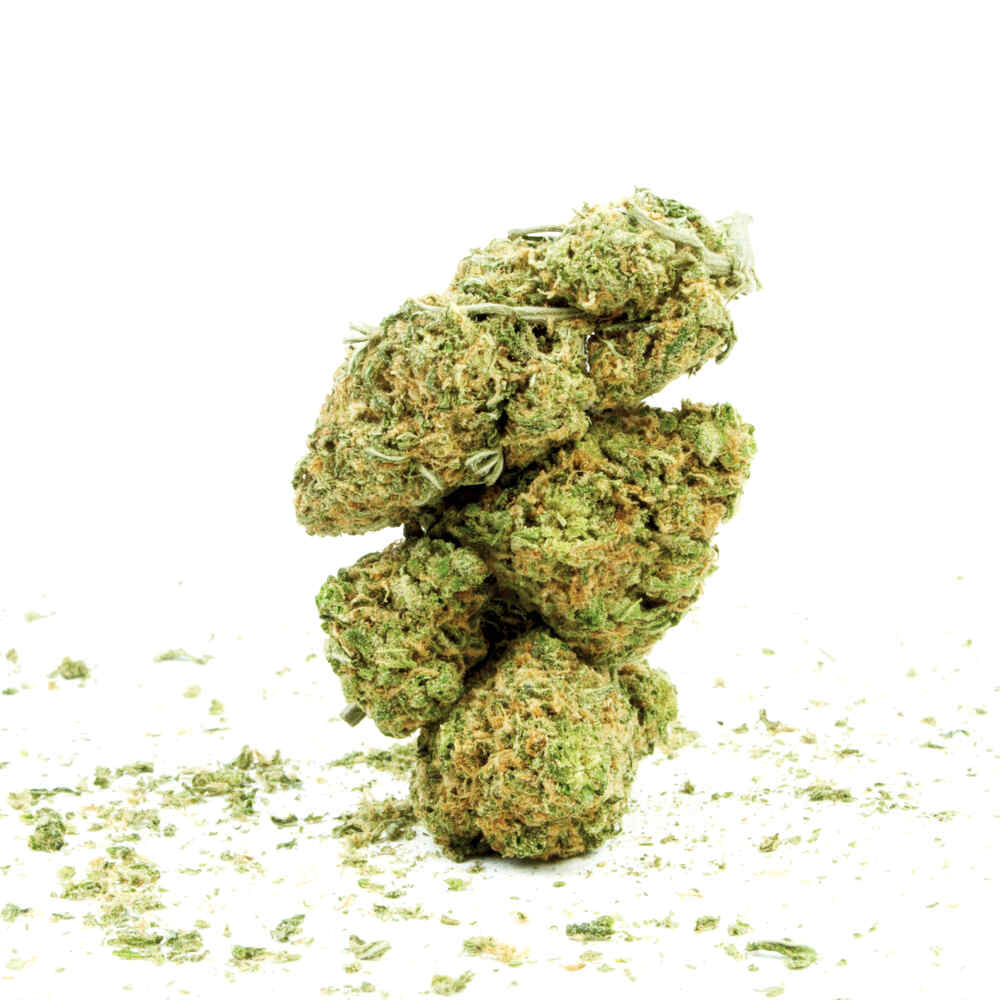
How to prevent loose and airy buds during flowering
Preventing loose marijuana buds starts before the cannabis flowering stage begins. The most consistent results come from preparing the plant, canopy, root zone, and environment in advance. Once flowering starts, focus on steady adjustments instead of reacting to minor changes.
This process helps each plant reach its full potential. While you cannot change genetics, you can create conditions that support dense bud development.
Choosing cannabis genetics that produce dense buds
Preventing airy buds begins with selecting the right genetics. Starting with high yield seeds that are known for producing compact, well-stacked flowers gives you the best chance of harvesting resin-rich dense buds. Choose cultivars based on proven performance rather than relying on photos alone.
Follow these steps:
- Review breeder descriptions. Look for traits like dense buds, short internodes, strong branching, and high yields. Use this as a guide, not a guarantee.
- Check independent grow reports. Look for consistent feedback from multiple growers. Repeated results across different setups indicate stable genetics.
- Evaluate growth structure. Plants with moderate stretch and strong branches are easier to manage and support dense flowers.
- Grow multiple plants from seed. Different phenotypes can vary. Track each plant’s growth, structure, and final bud density.
- Keep the best performer. If possible, clone before flowering and select the plant that delivers the best combination of density, vigor, and quality.
Avoid choosing based on density alone. Extremely tight buds can trap moisture and increase mould risk. The best plants balance structure, resin production, and resilience.
Optimizing your flowering environment for maximum bud density
Set up your environment before flowering begins. Large changes during bloom can slow development.
Follow this sequence:
- Level the canopy. Adjust plant height so all tops receive similar light.
- Measure light distribution. Check multiple points across the canopy and adjust fixtures or plant placement for even coverage.
- Monitor canopy conditions. Place sensors at plant height to track temperature and humidity accurately.
- Ensure proper airflow. Leaves should move gently without direct fan stress. Check both upper and lower canopy areas.
- Adjust humidity gradually. Lower humidity as buds develop, making small changes over time.
- Check lights-off conditions. Humidity often rises at night, so monitor for spikes.
- Track daily highs and lows. Stable averages can hide damaging fluctuations.
| Weekly Check | What You Want to See |
| Canopy height | Even top growth |
| Light coverage | No weak or overly intense areas |
| Leaf movement | Gentle airflow throughout |
| Climate data | Stable day-to-night conditions |
| Flower progress | Uniform development across the canopy |
Feeding cannabis correctly throughout the flowering stage
A balanced feeding program supports steady flower growth without stressing the plant.
Follow these steps:
- Start with moderate nutrients. Avoid maximum doses early in bloom. Increase gradually based on plant response.
- Mix nutrients properly. Add each component separately and mix thoroughly.
- Check pH consistently. Maintain proper pH for your medium to ensure nutrient availability.
- Water based on plant needs. Monitor moisture levels instead of following a fixed schedule.
- Monitor runoff when needed. Changes in EC or pH can reveal buildup or imbalance.
- Adjust one factor at a time. This makes it easier to identify what works.
- Control nitrogen levels. Reduce excess nitrogen after stretch while maintaining balance.
Healthy plants show steady bud growth, upright leaves, and consistent water use. Signs like leaf burn, clawing, or slow uptake indicate the need for correction.
Plant training techniques that encourage denser flowers
Training improves bud density by creating an even canopy and better light exposure.
Follow this approach:
- Train during vegetative growth. Train during vegetative growth using techniques such as topping cannabis plants or low-stress training to create multiple main branches.
- Spread branches outward. Use ties or a screen to distribute growth evenly.
- Allow recovery before flowering. Plants should show strong new growth before switching light cycles.
- Manage early stretch. Continue guiding branches into open spaces during the first weeks of bloom.
- Remove weak lower growth using lollipopping techniques so the plant focuses its energy on productive flowering sites.
- Defoliate selectively. Remove leaves only when they block light or airflow.
- Stop major training after stretch. Focus on support and minor adjustments.
The goal is a manageable number of well-lit bud sites. Fewer strong tops often produce better results than a crowded canopy.
Common grower mistakes that lead to loose, airy buds
Avoiding common mistakes is key to maintaining bud density:
- Changing multiple variables at once instead of making controlled adjustments
- Relying on additives instead of fixing core issues
- Ignoring canopy changes during stretch
- Keeping weak or shaded branches
- Pruning heavily late in flowering
- Watering all plants the same regardless of demand
- Following breeder timelines instead of observing plant maturity
A consistent routine helps prevent problems. Inspect plants weekly, monitor environmental data, and track changes. Over time, this record shows which methods produce the best results in your grow space.
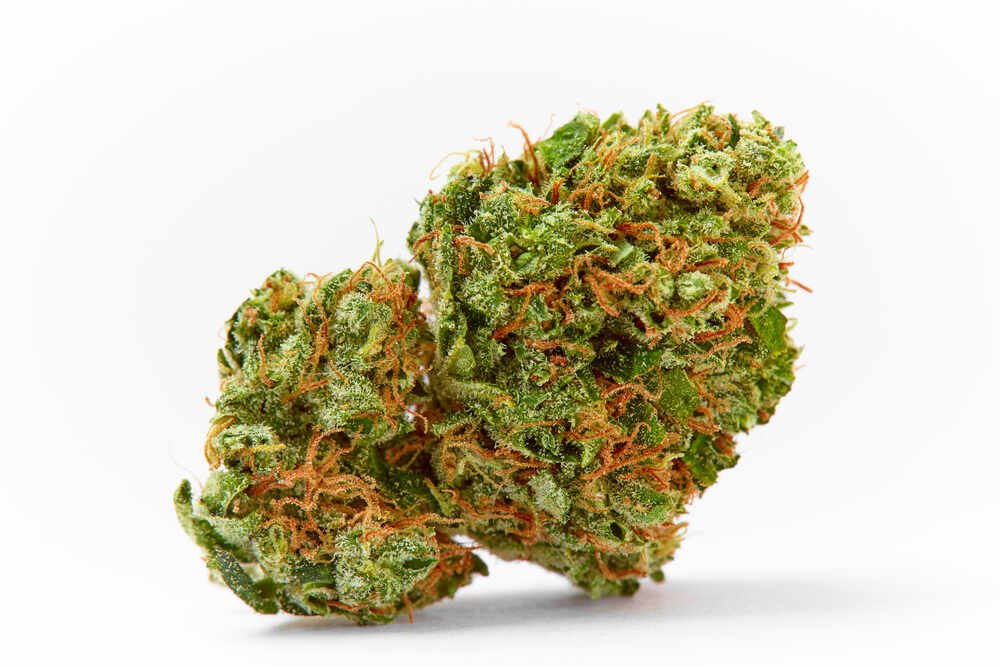
How to Fix Airy Buds After Harvest
Discovering airy buds at harvest can be frustrating after months of work. The reality is that bud density is finished the moment the plant is cut. Cannabis cannot produce new calyxes or pack on weight after harvest, so you cannot turn loose buds into dense flowers.
That does not mean the crop is ruined.
Your goal now is to preserve quality while learning why the buds developed this way. Some of the most flavorful cannabis I have grown has been airy but dried and cured properly. On the other hand, I have seen dense colas lose their aroma and smoke harshly because they were rushed through drying.
Think of post-harvest handling as preservation, not transformation. You cannot rebuild structure, but you can protect what the plant produced.
Can You Fix Airy Buds After Harvest?
You cannot increase density after harvest, but you can improve appearance, texture, aroma, and smoking quality.
Before trimming, evaluate the entire harvest.
Step 1: Identify why the buds are airy.
Look at the whole plant:
- If all buds are loose, genetics or overall flowering conditions are likely responsible.
- If only lower branches are airy, light penetration or canopy management is usually the issue.
- If one plant is airy while others are dense, genetics likely played a role.
This diagnosis helps you improve future grows.
Step 2: Grade the harvest.
Separate flowers by quality instead of curing everything together.
When grading, I look at calyx stacking, maturity, and resin coverage—not just size. Some medium buds deserve premium jars, while larger immature ones are better for extraction.
| Flower Grade | How I Handle It |
| Dense top colas | Cure separately as premium flower |
| Medium-quality buds | Cure together |
| Small airy buds | Use for pre-rolls or extraction |
| Immature popcorn | Process separately if worth keeping |
Sorting also helps buds dry evenly.
Step 3: Trim carefully.
Avoid over-trimming airy buds. Remove fan leaves first, then only trim sugar leaves that stick out. If a resin-coated leaf hugs the bud, leave it. Over-trimming exposes gaps and removes trichomes.
Step 4: Handle minimally.
Loose buds have more exposed trichomes. Handle branches by the stem and avoid squeezing the flowers. Every touch removes resin.
Once trimming is done, drying and curing determine final quality.
Do Buds Tighten Up When Drying?
Buds do not become denser during drying, but they do feel firmer as moisture leaves.
As calyxes shrink, the bud feels tighter, but the structure stays the same.
Here is how to dry airy buds properly:
Step 1: Separate airy buds from dense colas.
Loose buds dry faster due to better airflow. Do not assume everything will finish at the same time.
Step 2: Hang with space.
Allow air to circulate around each branch. Crowding leads to uneven drying.
Step 3: Keep airflow indirect.
Fans should move air around the room, not directly onto buds. Direct airflow dries the outside too quickly and traps moisture inside.
Step 4: Check small buds daily.
Small buds react fastest. When they feel dry on the outside but still have a slight spring when gently squeezed, drying is progressing correctly. I also pay attention to the small stems. Early on they'll bend without resistance, but as drying progresses they begin to crack instead of folding completely. If the flowers become crisp while the stems are still soft, the room is usually drying the surface too quickly.
Step 5: Jar buds individually.
Do not wait for all buds to finish. Smaller airy buds often dry a day or two earlier. Jarring them separately prevents overdrying.
Does Curing Improve Loose Buds or Simply Preserve Quality?
Curing does not increase density. It improves moisture balance, aroma, flavor, and smoothness.
Airy buds often benefit significantly because they burn more evenly and develop better flavor.
Step 1: Fill jars loosely.
Leave space so buds can move slightly. Overpacking flattens airy flowers.
Step 2: Monitor the first week.
Moisture moves from the center outward. Buds may feel softer at first—that is normal. If they feel wet or show condensation, return them to drying.
Step 3: Rotate gently.
Roll jars instead of shaking them to avoid damaging trichomes.
Step 4: Use your senses.
Healthy curing buds should have:
- A fresh aroma that strengthens over time
- Even texture throughout
- No condensation, ammonia smell, or mould
Some cultivars smell surprisingly mild during the first week of curing before their terpene profile begins opening up during the following weeks. I've opened jars that seemed almost disappointing after a few days, only to find them producing their characteristic aroma by the third or fourth week. That's why I avoid making any final judgement until the cure has had time to stabilize.
Step 5: Evaluate realistically.
After curing, airy buds will not become dense. Instead, expect smoother smoke, stronger aroma, improved flavor, and better moisture balance.
Final Grower Insight
Every harvest is a learning opportunity.
After curing, compare the finished buds with your grow notes. If lower branches are consistently airy, improve canopy management. If only one cultivar produces loose buds, genetics are likely the cause.
Those observations guide your next grow.
That is how experienced growers fix airy buds. They do not try to change the current harvest. They preserve its quality, identify the cause, and use that knowledge to produce better results next time.
Conclusion
Airy cannabis buds are usually the result of genetics, environmental conditions, or cultivation practices during flowering rather than a single mistake. While some cultivars naturally produce a more open flower structure, most cases of loose marijuana buds can be prevented by selecting quality genetics, maintaining a stable flowering environment, managing the canopy effectively, and allowing plants to fully mature before harvest.
If you've already harvested airy buds, focus on preserving their quality through careful trimming, proper drying, and patient curing. Although these steps cannot increase bud density, they can significantly improve aroma, flavor, smoothness, and the overall smoking experience.
Every harvest provides valuable information. By comparing your finished flowers with your grow records, you'll begin to recognize patterns and make better decisions each cycle. Dense cannabis buds rarely come from one perfect technique—they're the result of dozens of small decisions made consistently throughout the grow. As your experience grows, those decisions become easier, leading to healthier plants, heavier harvests, and consistently higher-quality flowers.
Frequently Asked Questions
Why are my buds airy but covered in trichomes?
Bud density and resin production are influenced by different factors. A plant can produce abundant trichomes while still developing loose flowers because of genetics, insufficient light, environmental stress, or other flowering conditions. Resin production is not always an indicator of flower density, which is why some airy buds can still deliver excellent potency and flavor.
Can LED grow lights cause airy buds?
LED grow lights do not naturally produce airy buds. The problem usually comes from incorrect setup rather than the fixture itself. If the light is too far from the canopy, provides uneven coverage, or lacks sufficient intensity during flowering, bud development may suffer. A properly positioned, high-quality LED can produce flowers that are just as dense as those grown under other lighting systems.
Are airy buds less potent than dense buds?
Not necessarily. Potency depends primarily on cannabinoid production rather than flower density. An airy bud with excellent resin coverage can contain similar THC or CBD levels to a much denser flower. While loose buds often weigh less and may have lower bag appeal, they can still provide excellent effects if they were grown, harvested, and cured correctly.
Why are the top buds dense but the lower buds airy?
This usually indicates uneven light distribution within the canopy. Upper colas receive the most light and generally develop larger, denser flowers, while shaded lower branches produce smaller, looser buds. Improving canopy management with training, selective defoliation, and removing weak lower growth can help produce more consistent flower density throughout the plant.
Will airy buds always produce a lower yield?
In most cases, yes. Airy buds contain more space between the calyxes, so they typically weigh less than dense flowers of the same size. However, total yield depends on many factors, including plant size, the number of flowering sites, genetics, and overall plant health. A large, healthy plant with slightly airy buds may still produce a respectable harvest compared to a smaller plant with dense flowers.


