




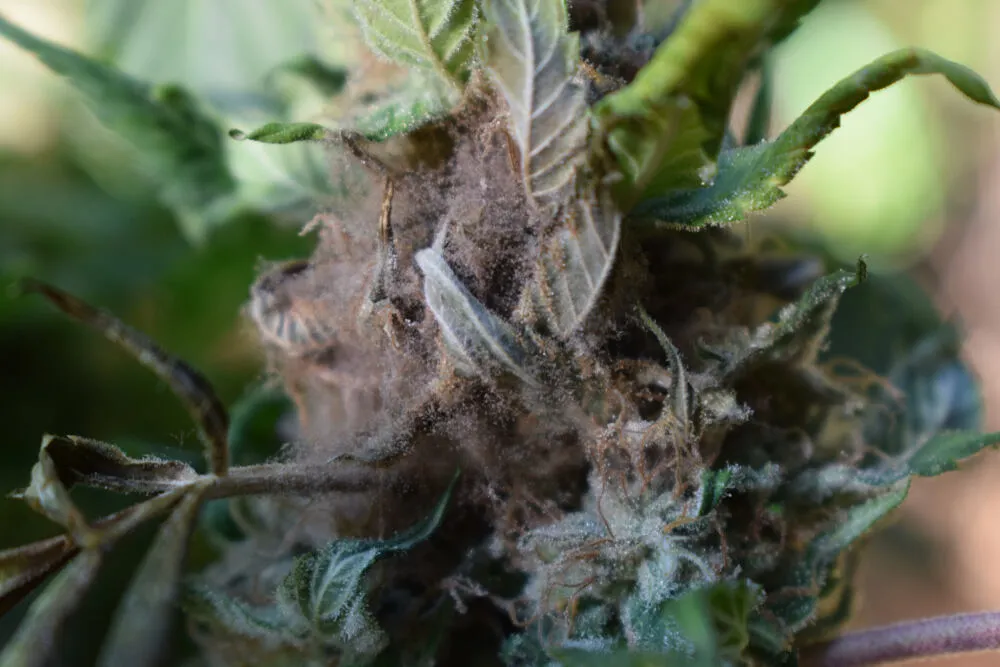
Cannabis bud rot is one of the most damaging diseases a grower can encounter. Caused by the fungus Botrytis cinerea, bud rot on cannabis often develops inside dense flowers where it can go unnoticed until significant damage has already occurred. By the time visible mold appears, infected buds usually need to be discarded to prevent the fungus from spreading to the rest of the crop.
Whether you're wondering what causes bud rot on cannabis, what does bud rot look like, or how to spot bud rot before it destroys your harvest, understanding the early warning signs is essential. In this guide, you'll learn how to identify cannabis bud rot, compare symptoms with other common cannabis problems, explore cannabis bud rot pictures to aid diagnosis, and discover proven cannabis bud rot prevention techniques to protect your plants from seedling to harvest.
Key Takeaways
- Cannabis bud rot is caused by the fungus Botrytis cinerea. It typically starts inside dense flowers, making early detection difficult until the infection is already well established.
- Learning how to spot bud rot early can save your harvest. Look for yellowing sugar leaves, brown or gray buds, a musty smell, and fuzzy gray mold inside the flower.
- High humidity, poor airflow, and wet buds are the main causes of bud rot. Maintaining the right growing environment during flowering is the most effective way to prevent outbreaks.
- Cannabis bud rot prevention is easier than treatment. Controlling humidity, improving ventilation, pruning dense foliage, and inspecting plants regularly can dramatically reduce the risk of infection.
- Never smoke or process moldy cannabis. Remove and safely dispose of infected buds immediately to prevent the fungus from spreading to healthy plants and to protect your health.
- Quick Diagnosis: Is This Cannabis Bud Rot?
- What is cannabis bud rot and why is it dangerous?
- How to Inspect and Identify Bud Rot on Cannabis Plants
- Bud Rot vs. Other Common Cannabis Problems
- What Causes Bud Rot on Cannabis Plants?
- How to Prevent Bud Rot in Cannabis: Step-by-Step Guide
- Conclusion
- Frequently Asked Questions
Quick Diagnosis: Is This Cannabis Bud Rot?
Not every discolored bud or yellowing leaf means your plant has cannabis bud rot. However, because Botrytis cinerea spreads rapidly once it takes hold, identifying the problem early can make the difference between losing a single bud and losing an entire harvest.
Use the quick diagnosis table below to determine whether you're dealing with bud rot on cannabis or another common cannabis mold problem that requires a different treatment approach.
| Symptom | Most Likely Cause | What You Should Do |
| Buds look healthy on the outside but are brown, gray, or rotten inside | Cannabis bud rot (Botrytis) | Open additional buds to inspect for internal mold and remove infected flowers immediately. |
| White, cotton-like or fluffy growth hidden inside dense buds | Early-stage bud rot | Carefully remove affected buds before the fungus spreads to neighboring flowers. |
| Buds become brown, soft, mushy, or crumble apart when touched | Advanced bud rot | Remove infected material, disinfect your tools, and lower humidity immediately. |
| Sugar leaves suddenly turn yellow, brown, or wilt around otherwise healthy-looking buds | Possible early bud rot | Gently pull apart the bud to inspect for mold inside the flower. |
| Only fan leaves are yellowing while buds remain healthy | Nutrient deficiency or environmental stress | Check your feeding schedule, pH, and environmental conditions. |
| White powder covering the surface of leaves or buds | Powdery mildew | Treat for powdery mildew—this is different from bud rot because it develops on the surface rather than inside the flower. |
| Spots, holes, webbing, or visible insects on the plant | Pest damage | Inspect for caterpillars, thrips, spider mites, or other pests that may be damaging the buds. |
| Buds have a damp, musty, or rotten smell | Strong indication of cannabis bud rot | Inspect the interior of the buds immediately and remove any infected material. |
Actionable Tip: One of the easiest ways to spot bud rot is to gently open a suspicious bud. Since cannabis bud rot usually develops from the inside out, the exterior can appear perfectly healthy while the center is already infected with gray or brown mold. Regular inspections during the final weeks of flowering can help you catch the disease before it spreads throughout your crop.
What is cannabis bud rot and why is it dangerous?
Bud rot is one of the most destructive fungal diseases affecting cannabis plants. Caused by the fungus Botrytis cinerea, it infects flowers from the inside out, making it difficult to detect until significant damage has already occurred. By the time visible symptoms appear, the infection may have already spread throughout multiple buds, reducing both yield and flower quality.
Unlike many other cannabis diseases that affect leaves or stems first, cannabis bud rot targets developing flowers during the cannabis flowering stage, when dense buds are most susceptible to fungal infections. Because the fungus thrives in warm, humid environments with poor airflow, growers should be especially vigilant during the final weeks before harvest when buds are at their largest and most densely packed. If you regularly grow in humid climates, choosing mold resistant strains can help reduce the risk of fungal diseases such as bud rot.
Understanding Botrytis cinerea – The Cause of Bud Rot
Botrytis cinerea, commonly known as gray mold, is the fungal pathogen responsible for bud rot on cannabis. Its microscopic spores are naturally present in the environment and can spread through the air, water, contaminated tools, insects, and even clothing. Under the right conditions, typically high humidity, trapped moisture, and limited air circulation—these spores germinate and begin colonizing the inside of cannabis flowers.
Dense cannabis buds are particularly susceptible because they retain moisture deep within the flower, creating an ideal environment for fungal growth. Once established, the fungus rapidly destroys plant tissue, causing flowers to turn brown or gray, become soft and mushy, and eventually collapse.
One of the biggest challenges with bud rot cannabis infections is that they often develop unnoticed. The outside of a bud may appear perfectly healthy while the center is already infected, which is why experienced growers routinely inspect dense flowers throughout late flowering.
Why Bud Rot Is So Dangerous
Bud rot is more than a cosmetic problem, it can destroy an entire harvest if it isn't caught early. Because Botrytis spreads by releasing airborne spores, a single infected bud can quickly contaminate neighboring flowers and even nearby plants, especially in enclosed grow rooms with poor ventilation.
Beyond reducing yield, bud rot severely impacts the quality, aroma, potency, and safety of cannabis flowers. Mold-contaminated buds should never be smoked, vaporized, or used to make concentrates or edibles, as fungal spores and mycotoxins may pose serious health risks, particularly for people with allergies, asthma, or weakened immune systems.
The best defense against cannabis bud rot is prevention. Maintaining proper humidity, improving airflow, and inspecting buds regularly during late flowering can significantly reduce the risk of infection and help protect your harvest from this destructive fungus.
How to Inspect and Identify Bud Rot on Cannabis Plants
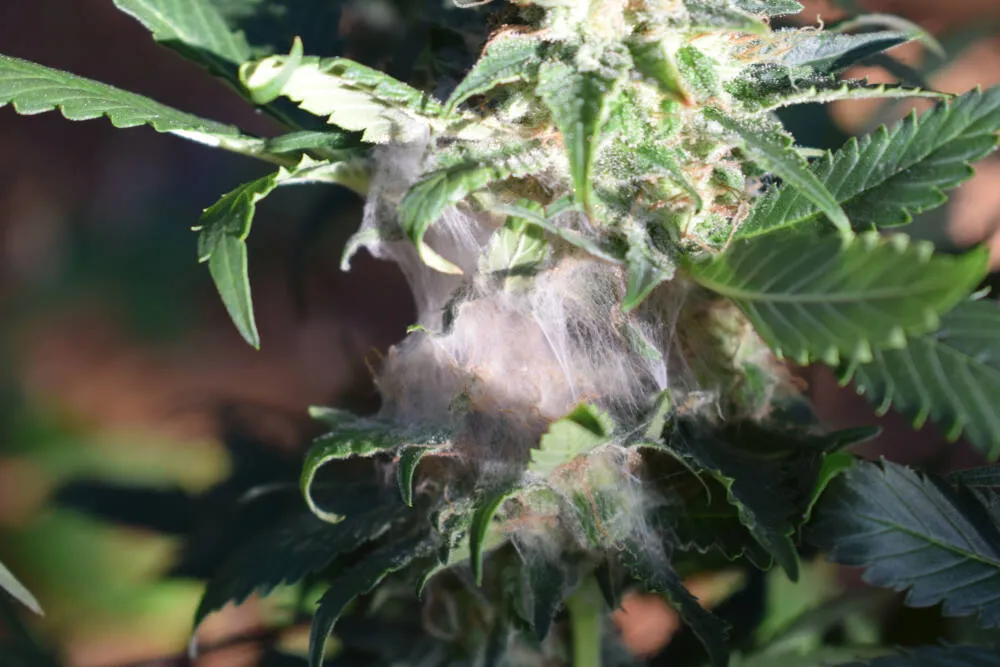
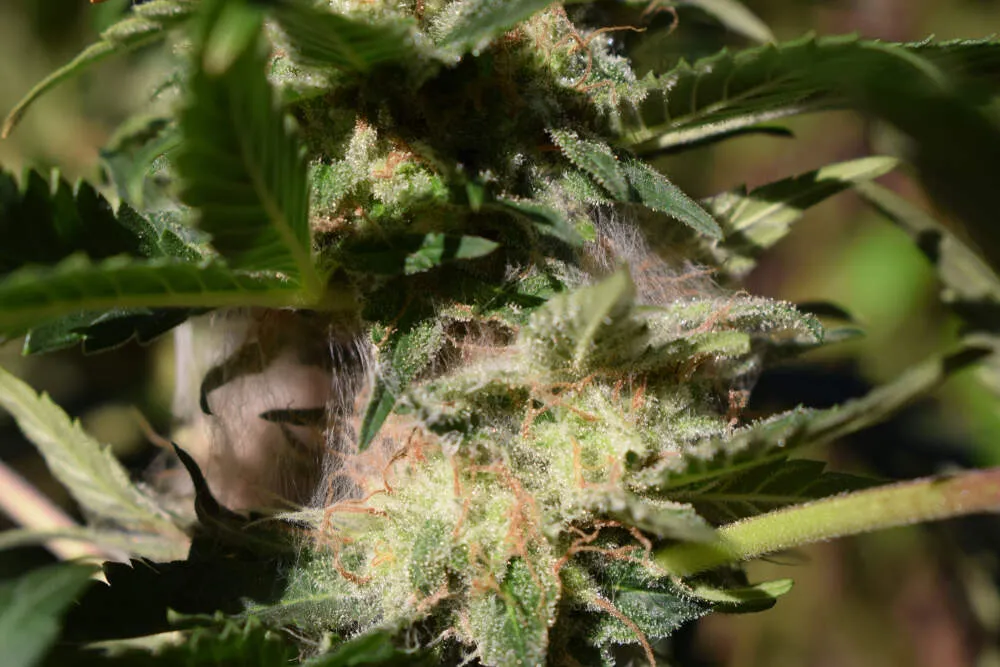
One of the biggest challenges with cannabis bud rot is that it often develops unnoticed inside dense flowers. Unlike powdery mildew, which grows on the surface of leaves, bud rot (Botrytis cinerea) begins deep inside the bud where moisture becomes trapped. By the time mold appears on the outside, the infection may have already spread throughout the flower.
After growing cannabis for several years, I've learned that spending just a few minutes inspecting buds every few days during late flowering can save an entire harvest. The best time to inspect your plants is during the final 3–4 weeks before harvest, especially after periods of high humidity, heavy rain, or poor airflow.
Follow the steps below to identify bud rot on cannabis before it spreads.
Step 1: Know When Bud Rot Is Most Likely to Develop
Bud rot rarely appears during the vegetative stage. It is most common during late flowering when buds are dense, resinous, and capable of trapping moisture.
Inspect your plants more frequently if:
- Relative humidity remains above 60%
- Buds stay wet after rain or morning dew
- Airflow through the canopy is poor
- You're growing dense indica or hybrid varieties
- The plant is within the final month of flowering
The larger the cola, the greater the chance that moisture is trapped inside the flower.
Step 2: Look for Early Warning Signs
Before opening any buds, examine the entire plant from top to bottom.
Healthy cannabis flowers should be vibrant, firm, and evenly colored. If one section of the plant suddenly looks different, investigate further.
Watch for these early symptoms:
| Early Sign | Why It Happens |
| Sugar leaves suddenly turn yellow or brown | The infected flower beneath them is beginning to die. |
| A single cola looks darker than the rest | Internal plant tissue may already be rotting. |
| Leaves pull out of the bud with almost no resistance | The stem inside the flower has begun to decay. |
| Buds appear dry or dull instead of frosty | Moisture and fungal growth may be damaging the flower. |
| A damp, musty smell develops | One of the earliest indicators of fungal infection. |
These symptoms don't always confirm cannabis bud rot, but they are strong indicators that the bud should be inspected more closely.
Step 3: Open the Bud and Inspect the Inside
The only reliable way to confirm bud rot on cannabis is to inspect the inside of the flower.
Using clean hands or sterile tweezers, gently separate the bud without crushing it. Healthy flowers should remain green, sticky, and evenly colored from the outside to the center.
Compare what you see with the table below.
| Healthy Bud | Bud Rot |
| Bright green interior | Brown or gray tissue |
| Firm and dense | Soft, mushy, or crumbly |
| Fresh cannabis aroma | Musty or rotten smell |
| Sticky with resin | Dry patches with fuzzy mold |
| Even coloration throughout | Discolored areas hidden inside the bud |
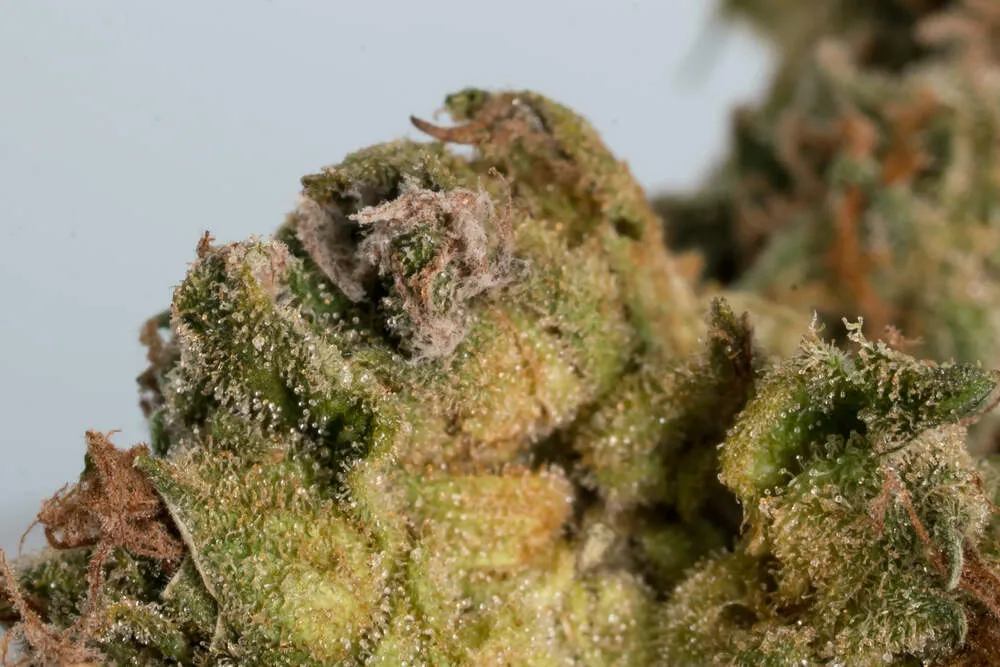
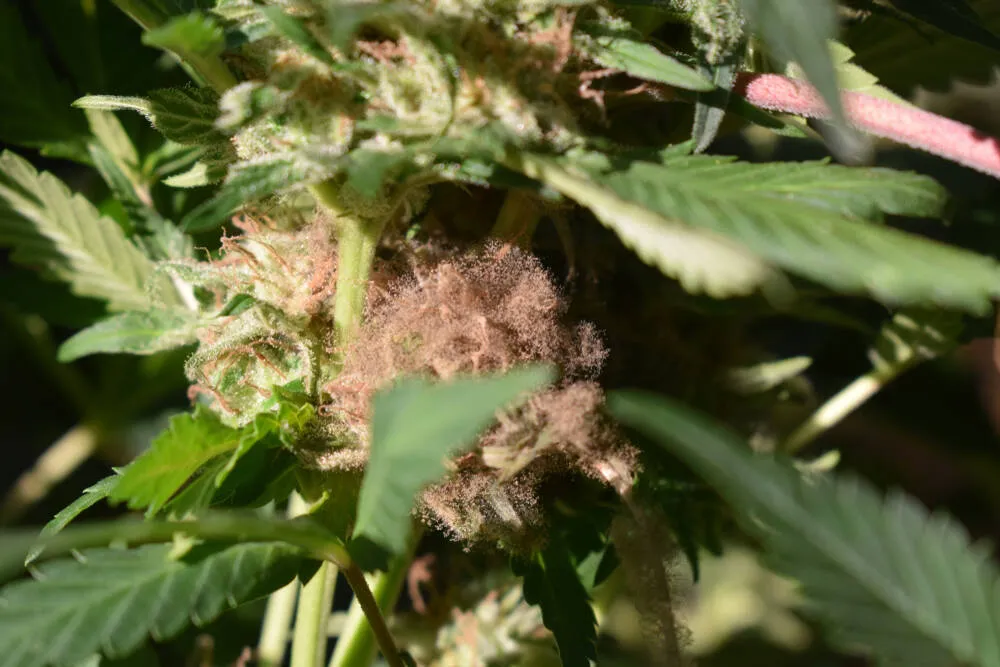
If the center of the flower is brown, gray, or covered in white fuzzy mold, you've likely identified Botrytis, commonly known as bud rot.
Step 4: Determine How Advanced the Infection Is
Understanding the stage of infection helps you decide how quickly you need to act.
| Stage | What It Looks Like | Recommended Action |
| Early | White, cotton-like mold hidden inside the flower | Remove the infected bud and inspect surrounding colas. |
| Moderate | Brown or gray patches spreading through the center of the bud | Remove the entire cola and reduce humidity immediately. |
| Advanced | Soft, mushy flowers covered with gray mold that crumble apart easily | Remove all infected material and inspect every nearby plant. |
Early detection can often save the rest of the harvest, while advanced infections usually spread rapidly if left untreated.
Step 5: Rule Out Other Common Cannabis Problems
Not every discolored bud is suffering from bud rot. Before removing healthy flowers, compare your symptoms with other common cannabis issues.
| Problem | How It Differs from Bud Rot |
| Powdery mildew | White powder sits on the surface of leaves and buds rather than inside the flower. |
| Nutrient deficiency | Causes leaf discoloration without mold or internal decay. |
| Light bleaching | Buds appear white from excessive light but remain dry and free of mold. |
| Purple genetics | Naturally purple flowers remain healthy and firm with no signs of decay. |
| Caterpillar damage | Chewed buds and insect droppings are visible and may eventually lead to bud rot if left untreated. |
Knowing these differences can prevent unnecessary panic and help you make the correct diagnosis.
Step 6: Confirm Your Diagnosis
Before removing any flowers, ask yourself the following questions.
- Is the inside of the bud brown or gray?
- Does the flower feel soft, damp, or crumbly?
- Is there white or gray fuzzy mold inside the bud?
- Do the surrounding sugar leaves suddenly appear yellow or dead?
- Does the bud smell musty rather than fresh?
If you answered yes to three or more of these questions, you're almost certainly dealing with cannabis bud rot and should remove the infected material immediately to prevent the fungus from spreading.
Grower's Tip: During the final month of flowering, I inspect every large cola at least twice a week. Opening one suspicious bud takes less than a minute, but catching bud rot early can save an entire crop. Once mold becomes visible on the outside of a flower, the infection is usually much more advanced than it appears.
Bud Rot vs. Other Common Cannabis Problems
Several cannabis problems can look similar to bud rot, especially during late flowering. However, the cause, appearance, and treatment are very different. Before removing healthy flowers, compare your symptoms with the guide below.
| Problem | Key Symptoms | How It Differs from Bud Rot |
| Bud rot (Botrytis cinerea) | Brown or gray tissue inside buds, soft or crumbly flowers, musty smell | Develops inside the flower and causes internal decay. |
| Powdery mildew | White, powdery coating on leaves and buds | Grows on the surface and does not rot the flower from the inside. |
| Nutrient deficiency | Yellowing leaves, burnt tips, slow growth | Affects foliage rather than causing mold or rotting buds. |
| Light bleaching | White or pale buds closest to the grow light | Buds remain firm with no internal mold or decay. |
| Pest damage | Holes, webbing, insect droppings, or feeding marks | Causes physical damage instead of fungal infection, although caterpillars can create wounds that lead to bud rot. |
| Natural purple coloration | Purple flowers or leaves with healthy trichomes | Healthy tissue remains firm, resinous, and free of mold. |
What Causes Bud Rot on Cannabis Plants?
Understanding what causes bud rot on cannabis plants is the first step to preventing it. While the fungus responsible for bud rot (Botrytis cinerea) is commonly found in the environment, it only becomes a problem when growing conditions allow it to infect your flowers.
Bud rot usually starts inside dense cannabis buds where moisture becomes trapped. Because the centre of the flower receives very little airflow, it can stay damp even when the outside appears dry. If humidity remains high or buds stay wet for too long, fungal spores can germinate and begin breaking down the flower from the inside out.
In most cases, bud rot isn't caused by a single issue. Instead, it's the result of several environmental factors combining to create ideal conditions for fungal growth.
High Humidity and Excess Moisture
High humidity is the most common cause of cannabis bud rot, which is why maintaining proper grow room humidity is essential for indoor growers.
During flowering, cannabis buds become larger and denser, making it easier for moisture to become trapped between the bracts. When the surrounding air is humid, that moisture cannot evaporate quickly enough, leaving the inside of the bud damp for extended periods.
As a general rule, try to maintain these relative humidity levels during flowering:
| Flowering Stage | Recommended Relative Humidity |
| Early flowering | 45–50% |
| Mid flowering | 40–45% |
| Late flowering | 35–40% |
Keeping humidity under control during the final weeks before harvest is one of the most effective ways to reduce the risk of bud rot.
Poor Airflow and Ventilation
Good airflow works alongside humidity to keep flowers dry.
Without proper air circulation, moisture lingers around the buds, creating small pockets of warm, humid air where Botrytis can thrive. This is especially common in overcrowded indoor grow rooms, but outdoor plants can also suffer if they're surrounded by dense vegetation or positioned where natural airflow is restricted.
To improve ventilation:
- Use oscillating fans to keep air moving through the canopy.
- Space plants far enough apart to allow air to circulate.
- Prune excess foliage that blocks airflow around developing buds.
- Ensure indoor grow spaces receive a steady supply of fresh air.
Dense Cannabis Buds
Dense flowers are naturally more susceptible to bud rot because they retain more moisture than loose, airy buds.
Large colas restrict airflow through the centre of the flower, making it difficult for trapped moisture to escape. As a result, the inside of the bud can remain damp while the outside feels perfectly dry.
Indica-dominant strains and high-yielding hybrids often produce tighter flowers, so they usually require closer monitoring during late flowering.
Rain, Dew and Wet Weather
Outdoor growers face additional challenges because they cannot control the weather.
Rain, heavy morning dew, fog, and prolonged humid conditions can keep buds wet for several hours. If flowers remain damp, fungal spores have more opportunity to infect the plant.
After periods of wet weather, inspect large colas carefully and improve airflow around the canopy wherever possible. Even gently shaking excess water from outdoor plants after rainfall can help reduce the amount of moisture trapped inside the flowers.
Temperature Fluctuations
Temperature doesn't directly cause bud rot, but it can increase the risk when combined with high humidity.
Warm, humid conditions encourage fungal growth, while cool nights followed by warmer days can create condensation inside dense buds. This hidden moisture provides an ideal environment for Botrytis cinerea to spread.
Maintaining stable temperatures throughout flowering helps minimise condensation and keeps environmental conditions more consistent.
Plant Damage and Caterpillars
Healthy flowers provide some protection against fungal infection, but damaged tissue is much more vulnerable.
Broken branches, accidental injuries during training, and insect feeding all create entry points where fungal spores can establish themselves.
Caterpillars on cannabis plants are particularly problematic because they tunnel into cannabis buds and leave behind droppings that trap moisture. These damaged areas often become the starting point for bud rot, making regular pest inspections an important part of preventing fungal outbreaks.
Common Causes of Bud Rot at a Glance
| Cause | Why It Increases the Risk |
| High humidity | Prevents trapped moisture from evaporating. |
| Poor airflow | Creates stagnant, humid air around dense buds. |
| Dense flowers | Restrict airflow and retain moisture inside the bud. |
| Rain and wet weather | Keep flowers damp for extended periods. |
| Temperature fluctuations | Encourage condensation within dense colas. |
| Plant damage and caterpillars | Create wounds where Botrytis can infect the flower. |
Expert Tip: In my experience, severe bud rot rarely results from a single problem. Most outbreaks occur when dense flowers, high humidity, and poor airflow coincide during late flowering. Managing these three factors consistently will do more to protect your harvest than trying to treat bud rot after it appears.
How to Prevent Bud Rot in Cannabis: Step-by-Step Guide
Preventing cannabis bud rot is much easier than treating it. Once Botrytis cinerea infects a flower, the damage cannot be reversed. The best approach is to create an environment where the fungus cannot grow.
Follow these steps throughout flowering to greatly reduce the risk of bud rot.
Step 1: Keep Humidity Under Control
Humidity is the single biggest factor in preventing bud rot.
As cannabis flowers become larger during flowering, they trap more moisture inside the buds. If the surrounding air is too humid, that moisture cannot evaporate, creating ideal conditions for fungal growth.
Aim for the following humidity levels:
| Flowering Stage | Recommended Relative Humidity |
| Early flowering | 45–50% |
| Mid flowering | 40–45% |
| Late flowering | 35–40% |
Indoor growers should use a hygrometer to monitor humidity and a dehumidifier if levels remain too high. Outdoor growers should choose open, sunny locations where plants dry quickly after rain or morning dew. Selecting outdoor cannabis seeds that are well suited to your local climate can also make plants more resilient to prolonged wet weather.
Step 2: Improve Airflow Around Your Plants
Good air circulation removes excess moisture before it becomes a problem.
For indoor grows, place oscillating fans above and below the canopy to keep air moving gently through the plants. Fresh air should also be exchanged regularly using an intake and exhaust system.
Outdoor growers should avoid overcrowding plants or growing close to fences, walls, or dense shrubs that block natural airflow.
Step 3: Prune Dense Foliage
Dense foliage traps humidity just like dense buds.
Removing a small number of large fan leaves and unnecessary lower branches improves airflow through the canopy and allows light to reach developing flowers. Learning how to prune cannabis plants correctly improves airflow through the canopy while avoiding unnecessary stress during flowering.
Avoid excessive pruning, as removing too much foliage at once can stress the plant. Instead, remove leaves gradually throughout flowering to maintain good ventilation.
Step 4: Keep Flowers as Dry as Possible
Bud rot needs moisture to develop.
Indoor growers should avoid overwatering and prevent water from splashing onto developing flowers. If buds become wet, improve airflow so they dry quickly.
Outdoor growers should inspect plants after rainfall, fog, or heavy morning dew. Gently shaking excess water from large colas and removing leaves that trap moisture can help reduce the risk of fungal infection.
Step 5: Maintain a Stable Growing Environment
Sudden changes in temperature and humidity can increase condensation inside dense buds.
During flowering, try to maintain stable temperatures and avoid large day-to-night fluctuations. Consistent environmental conditions make it much harder for Botrytis cinerea to establish itself.
Regularly checking your grow room's temperature and humidity only takes a few minutes but can prevent costly problems later.
Step 6: Inspect Plants Every Few Days
The earlier you detect a problem, the easier it is to protect the rest of your crop.
Inspect large colas every few days during late flowering, especially after humid weather or rainfall. Look for yellowing sugar leaves, unusual discoloration, or damp, musty-smelling buds.
Early inspections allow you to catch developing problems before they spread throughout the plant.
Step 7: Prevent Bud Rot During Drying
Bud rot can continue to develop after harvest if flowers are dried incorrectly.
Before hanging your plants, inspect each cola for signs of mold and discard any infected material. Dry cannabis in a clean, well-ventilated space with a temperature of around 60–68°F (15–20°C) and a relative humidity of 55–60%.
Avoid overcrowding branches during drying, as good airflow is just as important after harvest as it is during cultivation.
Bud Rot Prevention Checklist
| Prevention Step | Why It Matters |
| Keep humidity below 50% during flowering | Reduces moisture inside dense buds. |
| Maintain good airflow | Helps flowers dry quickly and prevents stagnant air. |
| Prune overcrowded foliage | Improves ventilation throughout the canopy. |
| Keep buds dry | Reduces the opportunity for fungal spores to germinate. |
| Monitor temperature and humidity | Prevents condensation from forming inside buds. |
| Inspect plants regularly | Helps identify problems before they spread. |
| Dry harvested cannabis correctly | Prevents mold developing after harvest. |
Expert Tip: The healthiest cannabis crops usually aren't produced by growers who react to bud rot—they're produced by growers who prevent it. Checking your environment every day, maintaining good airflow, and inspecting dense colas during the final weeks of flowering will dramatically reduce the chances of losing your harvest to bud rot.
Conclusion
Bud rot is one of the most destructive diseases that can affect cannabis plants, but it's also one of the most preventable. By understanding what causes cannabis bud rot, learning how to identify the early warning signs, and maintaining the right growing environment, you can dramatically reduce the risk of losing your harvest.
The most effective prevention strategy is simple: keep humidity under control, maintain good airflow, inspect dense colas regularly, and keep flowers as dry as possible throughout flowering and drying. These small habits take only a few minutes but can save an entire crop.
If you do discover bud rot, act quickly by removing the infected material and improving your growing conditions to stop the fungus from spreading. With regular monitoring and good environmental control, you'll be well equipped to grow healthy, mold-free cannabis plants from seedling to harvest.
Frequently Asked Questions
Can you recover cannabis buds affected by bud rot?
No. Once bud rot infects a cannabis flower, the damaged tissue cannot be restored. The safest option is to remove and discard the affected buds immediately. Trying to trim away the visible mold is not enough, as fungal spores may have already spread into surrounding plant tissue.
Can cannabis bud rot spread to healthy plants?
Yes. Botrytis cinerea spreads through microscopic spores carried by air, water, insects, tools, and direct contact with infected plant material. If left untreated, a single infected bud can quickly spread spores throughout your grow room or outdoor garden, especially in humid conditions.
Can bud rot affect both indoor and outdoor cannabis?
Absolutely. Indoor plants are most at risk when humidity is high and ventilation is poor, while outdoor plants are more vulnerable after periods of rain, heavy dew, or prolonged humid weather. Regardless of where you grow, maintaining good airflow and inspecting plants regularly are the best ways to reduce the risk.
What is the ideal humidity to prevent bud rot?
Most growers aim for a relative humidity of 35–40% during late flowering, when dense buds are most susceptible to fungal infections. Earlier in flowering, slightly higher humidity is acceptable, but keeping humidity below 50% throughout bloom greatly reduces the chances of bud rot developing.
Is it safe to smoke cannabis with bud rot?
No. Cannabis affected by bud rot should never be smoked, vaped, or processed into concentrates. Mold spores and fungal toxins may still be present, even if only part of the bud appears infected. Inhaling contaminated cannabis can cause respiratory irritation and may increase the risk of infection, particularly for people with allergies, asthma, or weakened immune systems.


